Source Hyaluronic Acid Hydrating Facial Cream for Skin Care
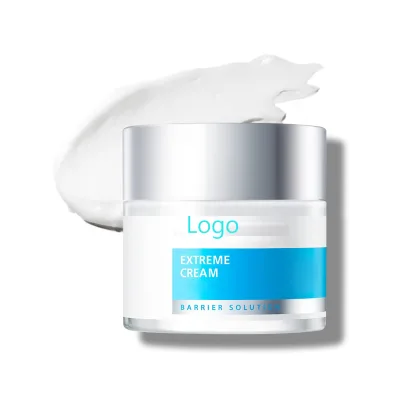
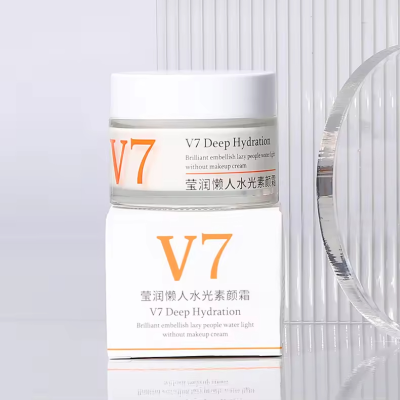
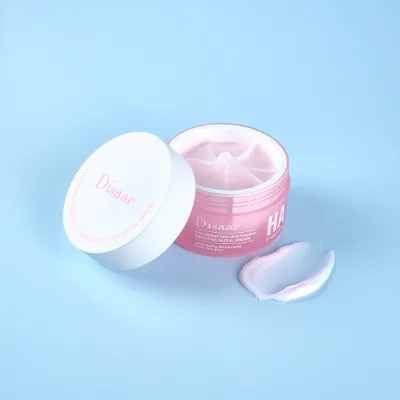
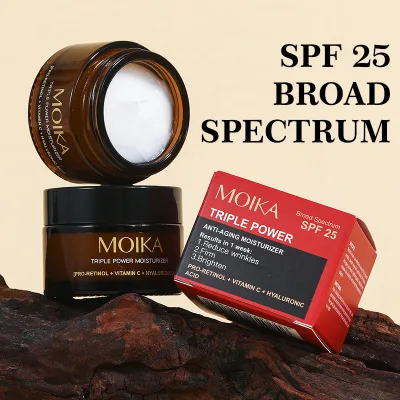
Explore 30 options for hyaluronic acid hydrating facial cream, featuring moisturizing and whitening benefits. Compare OEM suppliers with GMP and FDA certifications to find suitable bulk packaging and private label solutions for diverse skin types; compare the available evidence and request quotations based on your requirements.
Key considerations
Products List






Comprehensive Sourcing Guide
Hyaluronic Acid Hydrating Facial Cream Sourcing Guide
Sourcing hyaluronic acid hydrating facial cream requires a nuanced understanding of formulation stability and ingredient synergy. The core keyword highlights a specific active ingredient, yet market listings often feature complex blends where shea butter, green tea, and pearl extracts play significant roles in texture and efficacy. Buyers must recognize that "hyaluronic acid" in a product title does not guarantee it is the primary active agent; instead, it may be part of a broader moisturizing matrix designed for lightening, whitening, or general nourishment. This distinction is critical when evaluating product claims against actual ingredient lists to ensure alignment with your brand’s positioning and consumer expectations.
The observed market signals indicate a wide variance in product attributes, ranging from basic blank bag packaging to customized private label options. Listings frequently mention certifications such as CE, FDA, and GMP, which serve as baseline indicators of manufacturing standards rather than guarantees of specific product performance. Procurement teams should approach these signals with due diligence, verifying that the cited certifications apply to the specific manufacturing facility and product line rather than the company as a whole. This verification process helps mitigate risk and ensures that the sourcing partner maintains the necessary regulatory compliance for your target export markets.
Product Scope and Observed Listing Signals
The current product landscape for facial creams exhibits significant diversity in main ingredients and functional claims. While hyaluronic acid is a key focus, many available formulations prominently feature shea butter, aloe vera, dead sea salt, and glycerin as primary moisturizing agents. These ingredients are often combined with active components like green tea or pearl extracts to deliver additional benefits such as skin revitalization, anti-aging effects, and uneven tone care. Buyers should carefully review the specific ingredient profiles of each supplier to determine if the formulation aligns with their desired product efficacy, particularly for claims related to lightening, whitening, or firming.
Listing attributes also reveal variations in target demographics and usage scenarios. Some products are marketed for all ages and all skin types, while others are specifically tailored for adult females or specific skin concerns like acne treatment and dark circles. Packaging formats range from simple blank bags to customized glass or plastic bottles, with standard volumes often cited as 50g or 50ml. Understanding these variations is essential for defining your product specification sheet accurately, ensuring that the final product meets your brand’s identity and functional requirements without unexpected deviations in texture, scent, or packaging design.
Technical Specifications to Verify
Verifying technical specifications is paramount to ensuring product consistency and consumer satisfaction. Key attributes to confirm include the product form, which is typically a cream, and the shelf life, which is commonly listed as three years. Buyers must also verify the packaging details, such as whether the product comes in blank bags, OEM paper packages, or standard bottles, and confirm the gross weight and single package dimensions for accurate logistics planning. These physical specifications directly impact storage requirements, shipping costs, and the unboxing experience, making them critical components of the procurement agreement.
Ingredient concentration and formulation stability are other vital technical aspects that require explicit clarification. While listings may mention multiple main ingredients, the exact percentage of hyaluronic acid or other active compounds is rarely disclosed in standard product pages. Procurement teams should request detailed formulation sheets or technical data sheets from suppliers to understand the concentration levels and potential interactions between ingredients like shea butter and glycerin. Additionally, confirming the production model or batch codes helps in tracking quality consistency across different orders, ensuring that each shipment meets the established technical benchmarks.
Compliance and Safety Documentation
Compliance and safety documentation form the backbone of a trustworthy sourcing relationship. Listings frequently cite certifications such as GMP, MSDS, FDA, and CE, which indicate adherence to specific manufacturing and safety standards. However, buyers must verify the validity and scope of these certifications, ensuring they cover the specific products being sourced and the relevant markets for export. For instance, FDA registration may be required for the United States market, while CE marking is essential for European Union compliance. Understanding these regulatory requirements helps prevent customs delays and ensures that the products can be legally sold in your target regions.
Material safety data sheets (MSDS) are particularly important for understanding the chemical composition and handling requirements of the facial creams. These documents provide critical information on ingredient hazards, storage conditions, and first-aid measures, which are essential for safe transportation and storage. Buyers should also inquire about any additional testing reports, such as stability testing, microbiological testing, or heavy metal analysis, to further validate product safety. Requesting these documents early in the sourcing process allows for a thorough review and ensures that any potential compliance issues are addressed before placing large orders.
Cost Drivers and Commercial Terms
Cost drivers in the facial cream market are influenced by several factors, including ingredient quality, packaging complexity, and order volume. The observed price range of $0.65 to $77.72 USD reflects significant variation based on these elements. Premium ingredients like high-purity hyaluronic acid or exotic extracts such as pearl can increase production costs, while customized packaging with private logos adds to the overall expense. Buyers should analyze the cost structure in relation to the desired quality level and branding strategy, ensuring that the final product price aligns with their target retail margins and market positioning.
Commercial terms also play a crucial role in the total cost of ownership. Listings often mention trade terms such as EXW, FOB, CIF, CFR, DAP, and DDP, each carrying different implications for shipping responsibilities and costs. Minimum order quantities (MOQs) vary widely, from as low as one piece to 5000 pieces, impacting inventory management and cash flow. Buyers should negotiate terms that balance cost efficiency with flexibility, considering factors like sample times, which are often within one week, and the availability of customization options. Clear communication of these terms helps avoid unexpected expenses and ensures a smooth procurement process.
Supplier Qualification and Quality Control
Supplier qualification is a critical step in mitigating sourcing risks and ensuring product reliability. Buyers should assess suppliers based on their experience, with some highlighting advantages such as 17 years in the industry, which may indicate stability and expertise. However, experience alone is not a guarantee of quality; therefore, it is essential to conduct thorough due diligence, including reviewing past client references, production capabilities, and quality control processes. Engaging with suppliers who offer customization services and private logo options can also indicate their flexibility and commitment to meeting specific buyer requirements.
Quality control measures should be explicitly defined in the procurement agreement to ensure consistent product quality. Buyers should request information on the supplier’s quality management systems, including how they handle batch testing, defect rates, and corrective actions. Implementing pre-shipment inspections or third-party quality audits can provide an additional layer of assurance, verifying that the products meet the agreed-upon specifications and standards. Establishing clear communication channels for addressing quality issues and defining responsibilities for returns or replacements is also vital for maintaining a productive and trustworthy supplier relationship.
Long-Term Procurement Checks
Long-term procurement success depends on continuous monitoring and evaluation of supplier performance. Buyers should establish key performance indicators (KPIs) related to product quality, delivery times, and responsiveness to address any emerging issues promptly. Regular audits and feedback loops can help identify areas for improvement and foster a collaborative relationship with the supplier. Additionally, staying informed about regulatory changes and market trends ensures that the sourced products remain compliant and competitive in the evolving skincare landscape.
Building a diversified supplier base can also enhance supply chain resilience and reduce dependency on a single source. By engaging with multiple suppliers, buyers can compare offerings, negotiate better terms, and mitigate risks associated with production disruptions or quality inconsistencies. Regularly reviewing and updating the supplier qualification criteria ensures that the sourcing strategy remains aligned with the company’s evolving needs and goals. This proactive approach to supplier management helps maintain product quality, cost efficiency, and market relevance over the long term.
FAQs
What certifications do the hyaluronic acid creams have?
The products hold CE, FDA, GMP, and MSDS certifications. Some listings also include EEC certification. These documents verify safety and manufacturing standards for international trade requirements.
Can I customize the logo and packaging for this cream?
Yes, customization is available for private logos and packaging. You can choose blank bags or OEM paper packages. The volume is typically 50g but can be customized to meet your specific branding needs.
What is the minimum order quantity for these facial creams?
The standard minimum order quantity is 1000 pieces. However, observed ranges show options starting from 1 unit up to 5000 units depending on the specific supplier and product model selected for your order.
How long is the shelf life of the hyaluronic acid cream?
The shelf life is three years from the date of manufacture. This duration ensures product stability and efficacy when stored correctly. It applies to the standard 50g bottles and customized packaging options.
Which main ingredients are used in these moisturizing face creams?
Main ingredients include shea butter, hyaluronic acid, green tea, pearl, aloe vera, and glycerin. These components provide nourishing, moisturizing, and whitening effects suitable for all skin types and age groups.
What are the available trade terms for shipping these products?
Trade terms include EXW, FOB, CIF, CFR, DAP, and DDP. These options allow flexibility for international buyers regarding shipping responsibilities and costs. Specific terms depend on the supplier location and agreement.
How quickly can I receive samples of the face cream?
Samples are typically available within one week. This lead time allows for quick evaluation of product quality before placing a larger bulk order. Customization requests may slightly affect this timeline.